How the Tech You Already Use Could Lower Your Insurance Bill

September 30, 2026

Sure, technology can make your home safer and your car less prone to theft ... but can it also lower your insurance bill?

Maybe! Each insurer offers its own set of discounts, credits and usage-based programs, and some do reward technology that may prevent a claim. Availability does vary by company, policy, and state, so none of these upgrades guarantee you substantial savings. Still, they are worth keeping in mind when talking to your agent.


Discounts for Home Tech


Automatic water shut-off systems: Water damage can become expensive quickly. Whole-home systems monitor water flow and can shut off the supply automatically when they detect something unusual. Some insurers distinguish these systems from basic leak sensors because they can take action even when nobody’s home. Some companies like Moan even have a verification letter you can send to your insurer.


Monitored security systems and smart sensors: A centrally monitored burglar alarm, like a traditional ADT-style system, could qualify for a protective-device discount. These systems actually notify a monitoring service when an alarm is triggered, usually speeding up responses to break-ins, fires, and the like. Eligibility likely depends on whether the system is actively monitored or not, rather than simply recording video or sending a notification to the homeowner like Ring cameras.


Smart sensors can send an alert when they detect any number of terrible things that can damage your house, like smoke, extreme temperatures, humidity or water being in the wrong place. That early warning could give you time to address a small problem before it becomes a major claim. Some insurers even operate connected-home programs tied to particular devices. However, an insurer may require a certain number or brand of sensors, and possibly data sharing, to award a discount.


Backup generators: An automatic standby generator can keep heating systems, sump pumps, and other essential equipment going during a power outage, which may help prevent things like frozen pipes, water damage, and more. Some insurers advertise discounts for qualifying backup generators, but it’s far from universal. And the cost of buying and installing one is pretty substantial, so this is probably more of a “ask if you already have one thing.”


Safer Vehicles Can Mean Lower Premiums


Telematics programs: These programs use a smartphone app, plug-in device, or even a built-in vehicle system to track your mileage, braking, acceleration, speed, and what time of day you travel. Safer or lower-mileage drivers may get a break on their rates. The trade-off is having, essentially, a tracking device in your vehicle, but if the savings are right and you figure you’re already being tracked anyway, it could be worth it!


Anti-theft and recovery technology: Factory immobilizers, approved alarms, and vehicle-recovery systems often qualify for discounts. The National Association of Insurance Commissioners also mentions audible alarms, active disabling systems, and vehicle-recovery equipment (like LoJack) as examples of anti-theft technology insurers may recognize.


Airbags and anti-lock brakes: These features have been standard on most vehicle for decades, but sometimes the discount isn’t applied automatically. You’re probably already receiving discounts for these, but it doesn’t hurt to ask your agent. Especially since newer driver-assistance systems like blind-spot monitoring, automatic emergency braking, or other driver-assistance systems, could add additional discounts.


In most cases, it doesn’t make financial sense to buy the technology in order to save money on your insurance. But if you’re thinking about it anyway, or already have it, it’s worth asking your agent if any of it qualifies you for a little pocketbook relief.


Person holding a clipboard with a home insurance policy form clipped to it
August 31, 2026
Lots of contractors advertise that they can get your homeowners insurance deductible waived. But can they?
Two people working on a laptop and smartphone at a table indoors, looking focused.
July 31, 2026
Fake auto policies can leave Texas drivers uninsured. Learn the warning signs, how to verify coverage, and what to do if you suspect a scam.
June 30, 2026
Renters insurance is often something people buy once, file away, and stop thinking about altogether. And for many renters, that makes sense. It is usually affordable, landlords often require it, and the basic idea seems simple: if anything happens to your belongings, insurance helps pay to replace them. But there is one major exception you should know about before the next heavy storm. Renters Insurance Usually Does Not Cover Flood Damage Most renters insurance policies do not cover flood damage. That can be a surprise, especially because renters insurance may cover other kinds of water damage, such as damage from a burst pipe or certain sudden plumbing problems. The Texas Department of Insurance says renters policies commonly cover losses from fire, smoke, theft, vandalism, and certain types of water damage, but not those caused by floods . If water enters your home from the outside, because of rising water, overflowing rivers or creeks, flash flooding, or storm runoff, a regular renters policy usually will not pay to replace any of your stuff. Why This Matters in San Marcos Flooding is not an abstract risk in San Marcos. The city itself identifies the San Marcos River, the Blanco River, and Purgatory Creek as the city’s three primary sources of flooding, warning that it can happen in these areas with little to no warning. That means renters may not have much time to react once heavy rain starts, a creek rises, or a flash flood warning is issued. Floodwater can affect streets, apartments, homes, parking lots, and your belongings pretty quickly. Your Landlord’s Insurance Is Not There to Protect Your Stuff Some renters assume the landlord’s insurance will step in at claim time, but in most cases, that's not how it works. A landlord’s policy is generally there to protect the building, not the tenant’s personal belongings. TDI explains that a landlord’s insurance will not cover a renter’s personal items , which is why renters insurance exists in the first place. So if floodwater damages the apartment structure, flooring, walls, or major building systems, that may be the property owner’s issue. But the renter’s couch, bed, laptop, TV, clothes, books, and other belongings are usually the renter’s responsibility. Do Not Wait Until a Storm Is Coming Timing matters, because a flood insurance policy usually cannot be started immediately. Most flood policies have a 30-day waiting period before coverage takes effect. That means renters generally cannot wait until a storm is on the radar, a creek is rising, or a flash flood warning is issued and expect to buy coverage in time. For renters in San Marcos and across Central Texas, this is worth reviewing before storm season, before moving into a new apartment, or before renewing a lease. It is especially important for renters living near creeks, rivers, low-water crossings, ground-floor units, older drainage areas, or parts of town that have flooded before. Know What Your Policy Does and Does Not Cover A basic renters policy is valuable, protecting your stuff against theft, fire, smoke, vandalism, and the like. But flood is a different story entirely. So if you rent in San Marcos or anywhere in Central Texas, take a few minutes to review your renters policy with your agent and ask some direct questions, like: Does this cover flood damage? What kinds of water damage are included? Is separate flood coverage available? Those are better questions to ask before the storm hits, rather than after your furniture is sitting on the curb.
Person reviewing a clipboard beside a laptop, holding a pen over paperwork.
May 26, 2026
Texas insurers must now explain policy denials, cancellations, and non-renewals. Learn how HB 2067 gives consumers clearer answers and more leverage.
Small white hail pellets scattered across the damp, brown wooden slats of a park bench.
March 25, 2026
Texas hailstorms are driving higher premiums, stricter rules, and harder roof claims. Here’s what’s changing and why it matters for homeowners.
Woman in blazer pointing at document, man leans in. They are at a desk with a laptop and glass.
March 18, 2026
Clients asking for a Certificate of Insurance? Learn what COIs are, why they’re required, and how having the right coverage helps your business win contracts and projects.
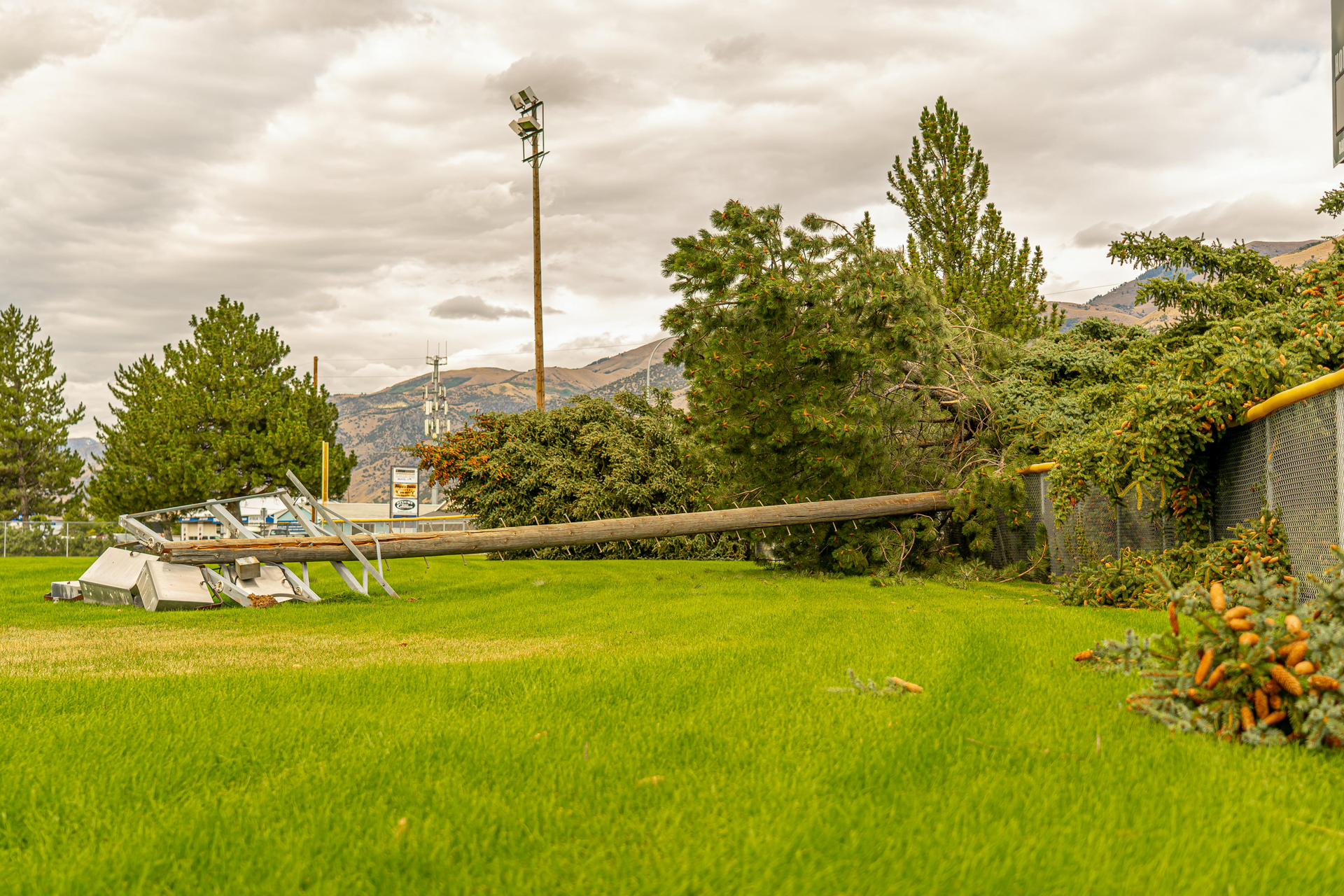
Fallen tree on a baseball field, next to a chain-link fence, under a cloudy sky.
March 11, 2026
If your neighbor’s tree falls on your home, who pays? Learn how tree damage claims work, when neighbors may be liable, and what your insurance typically covers.
Two people reviewing document, one person pointing pen, the other with long black hair, white background.
March 4, 2026
An annual insurance review keeps your coverage aligned with life changes, home values, and risks. See what happens during a review and why it matters more than you think.
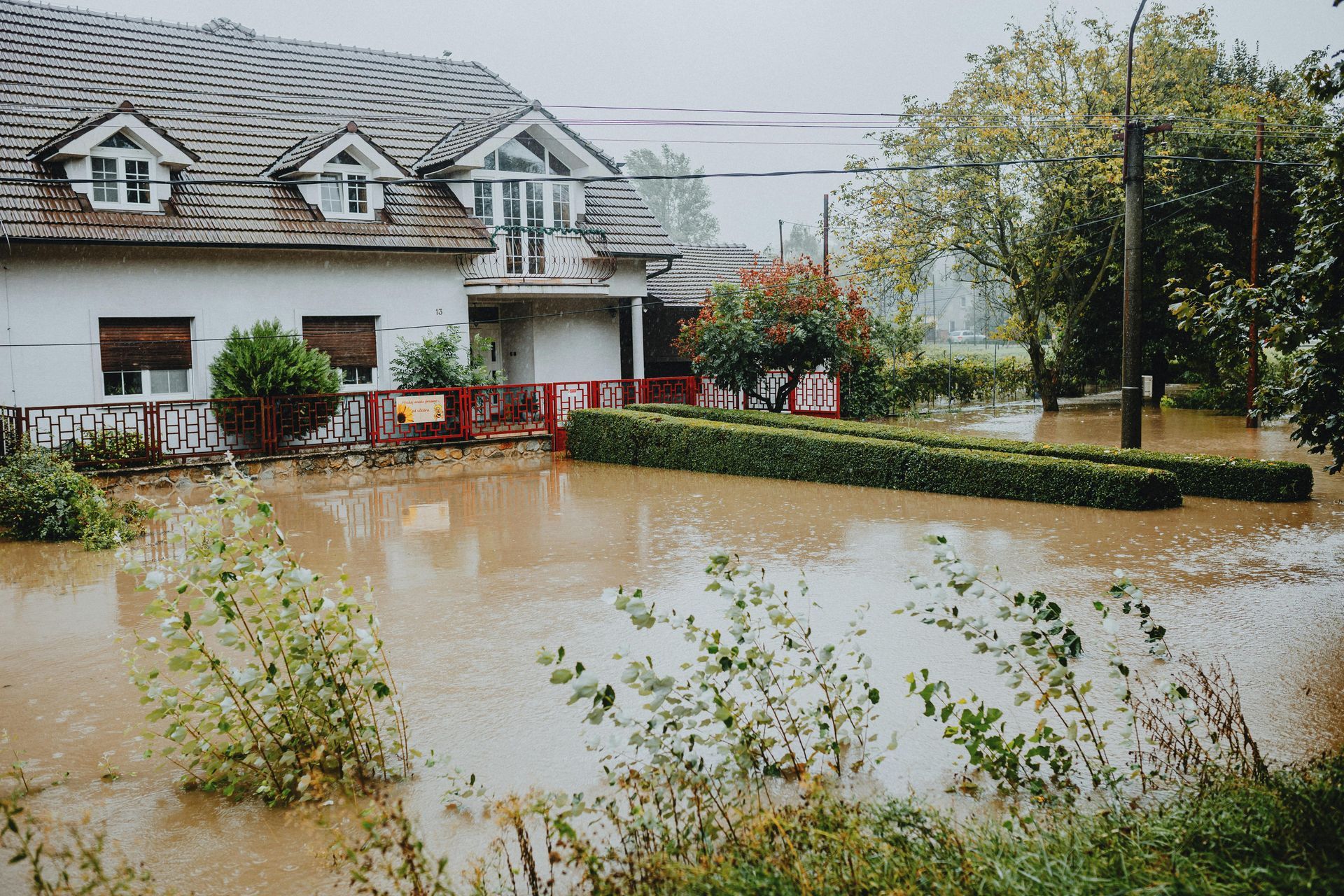
Flooded house. Water surrounds a two-story home with a white exterior and a tiled roof, under a cloudy sky.
February 25, 2026
Flash flooding in San Marcos can impact homes far outside mapped flood zones. Learn why flood maps fall short and how to better protect your property.
Field of blue wildflowers with trees under a clear blue sky.
February 25, 2026
Here is your Spring Storm Survival Guide to ensure your coverage and your property are ready for whatever the Texas sky throws our way.