Renters Insurance Won't Cover Flood: You Need a Flood Policy
Renters insurance is often something people buy once, file away, and stop thinking about altogether. And for many renters, that makes sense. It is usually affordable, landlords often require it, and the basic idea seems simple: if anything happens to your belongings, insurance helps pay to replace them.
But there is one major exception you should know about before the next heavy storm.
Renters Insurance Usually Does Not Cover Flood Damage
Most renters insurance policies do not cover flood damage. That can be a surprise, especially because renters insurance may cover other kinds of water damage, such as damage from a burst pipe or certain sudden plumbing problems. The Texas Department of Insurance says renters policies commonly cover losses from fire, smoke, theft, vandalism, and certain types of water damage, but not those caused by floods.
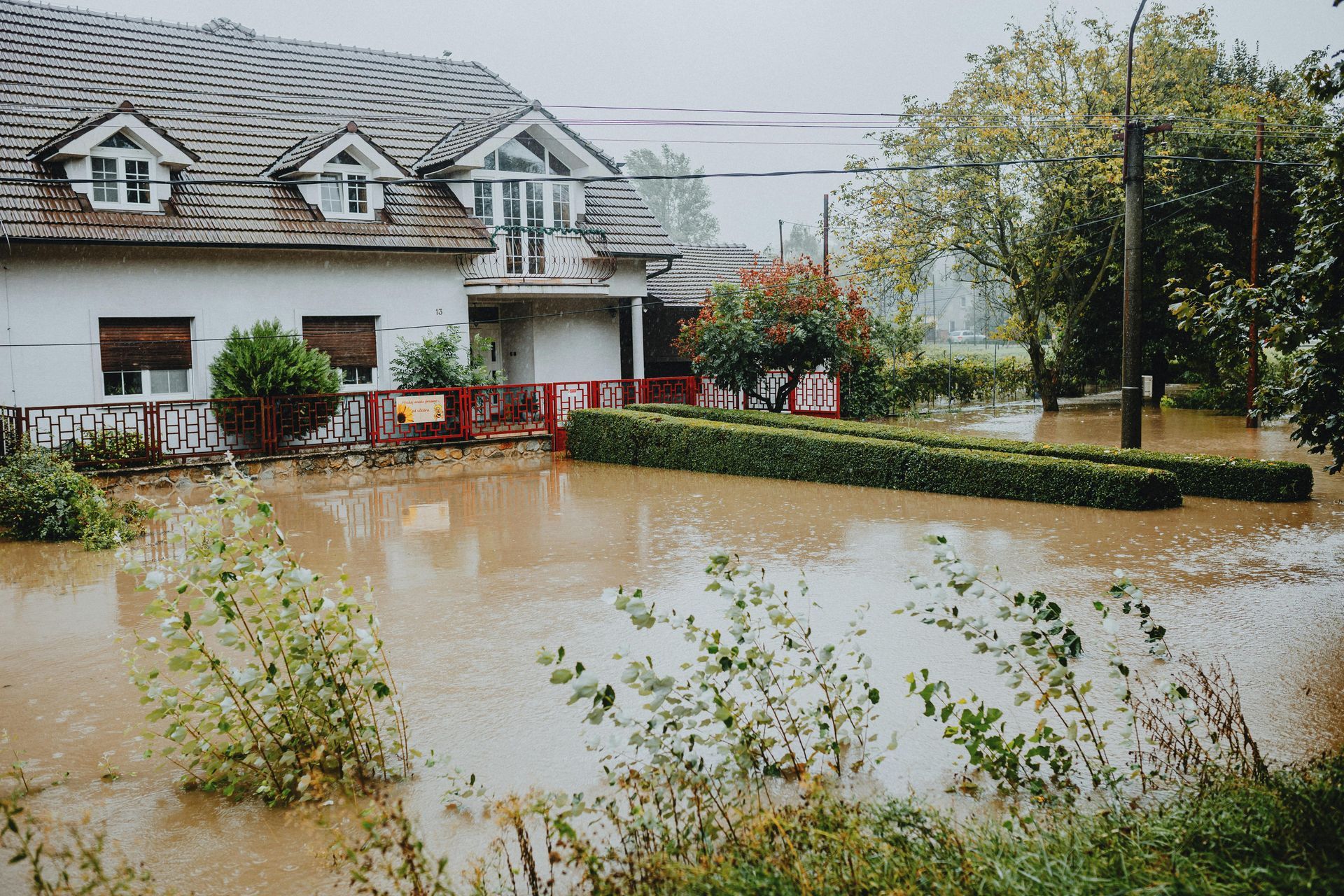
If water enters your home from the outside, because of rising water, overflowing rivers or creeks, flash flooding, or storm runoff, a regular renters policy usually will not pay to replace any of your stuff.
Why This Matters in San Marcos
Flooding is not an abstract risk in San Marcos. The city itself identifies the San Marcos River, the Blanco River, and Purgatory Creek as the city’s three primary sources of flooding, warning that it can happen in these areas with little to no warning.
That means renters may not have much time to react once heavy rain starts, a creek rises, or a flash flood warning is issued. Floodwater can affect streets, apartments, homes, parking lots, and your belongings pretty quickly.
Your Landlord’s Insurance Is Not There to Protect Your Stuff
Some renters assume the landlord’s insurance will step in at claim time, but in most cases, that's not how it works.
A landlord’s policy is generally there to protect the building, not the tenant’s personal belongings. TDI explains that a landlord’s insurance will not cover a renter’s personal items, which is why renters insurance exists in the first place.
So if floodwater damages the apartment structure, flooring, walls, or major building systems, that may be the property owner’s issue. But the renter’s couch, bed, laptop, TV, clothes, books, and other belongings are usually the renter’s responsibility.
Do Not Wait Until a Storm Is Coming
Timing matters, because a flood insurance policy usually cannot be started immediately.
Most flood policies have a 30-day waiting period before coverage takes effect. That means renters generally cannot wait until a storm is on the radar, a creek is rising, or a flash flood warning is issued and expect to buy coverage in time.
For renters in San Marcos and across Central Texas, this is worth reviewing before storm season, before moving into a new apartment, or before renewing a lease. It is especially important for renters living near creeks, rivers, low-water crossings, ground-floor units, older drainage areas, or parts of town that have flooded before.
Know What Your Policy Does and Does Not Cover
A basic renters policy is valuable, protecting your stuff against theft, fire, smoke, vandalism, and the like. But flood is a different story entirely.
So if you rent in San Marcos or anywhere in Central Texas, take a few minutes to review your renters policy with your agent and ask some direct questions, like: Does this cover flood damage? What kinds of water damage are included? Is separate flood coverage available?
Those are better questions to ask before the storm hits, rather than after your furniture is sitting on the curb.