Flash Flooding in San Marcos: Why Flood Maps Don’t Tell the Whole Story

February 25, 2026

If you’ve spent any time in San Marcos during a spring or early fall storm, you know how quickly things can change. A heavy downpour rolls through, the streets start pooling, and suddenly that intersection you drive every day looks more like part of the river.


Most homeowners assume flood risk is simple: if you’re near the San Marcos River, you worry about flooding. If you’re not, you don’t.


That assumption is exactly where problems start.


Flood maps are helpful, but they’re not a crystal ball, and in Central Texas, flash flooding doesn’t always follow neat geographic lines.


San Marcos Sits in Flash Flood Alley


Hays County is part of a region meteorologists call Flash Flood Alley, where rocky terrain and thin soil make it difficult for rain to soak into the ground. When a strong storm hits, water moves fast — downhill, across pavement, and into streets and neighborhoods that don’t have time to drain.


You don’t have to live near the river for this to affect you. A low street, nearby creek, overwhelmed storm drain, or sloped yard can all funnel water toward your home. We’ve seen homes take on water miles from any mapped floodplain simply because runoff had nowhere else to go.


Flash flooding here isn’t slow and predictable. It’s sudden, localized, and often surprising.


Flood Maps Are Built on the Past


Flood maps rely on historical data and modeling to predict where water is most likely to accumulate during major flood events. They do a good job identifying large-scale river overflow risk. What they struggle with is the kind of rapid, hyper-local flooding that Central Texas storms create.


San Marcos is also growing fast. New neighborhoods, roads, and parking lots change how water moves through an area. Land that once absorbed rainfall now pushes it into drainage systems and nearby properties. That shift doesn’t always show up on flood maps right away.


So while maps can indicate higher-risk areas, they don’t capture every real-world scenario, especially in a developing community with unpredictable storms.


Not All Flooding Looks Dramatic


When people think of flood damage, they picture rushing water or homes surrounded by standing water. But many claims start with something much less obvious.


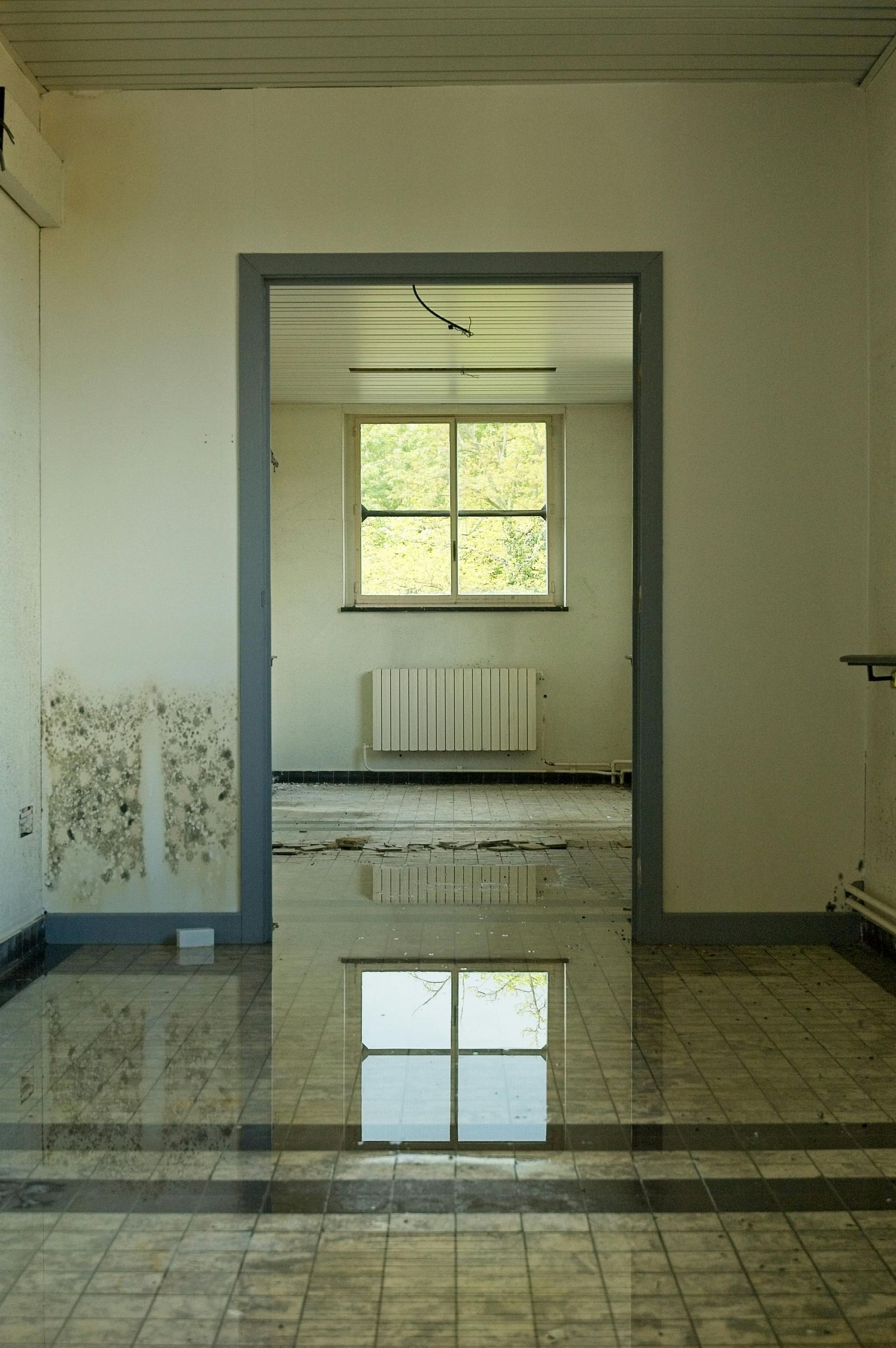
It might be water seeping under a garage door after hours of steady rain. It might be pooling against a back patio and finding its way inside. It might be a few inches of water that never make the news but still ruin flooring, drywall, and furniture.


In Central Texas, flooding often looks quiet and frustrating rather than catastrophic — but the financial impact can be just as real.


Why Coverage Confusion Happens


One of the biggest surprises for homeowners is learning that not all water damage is treated the same. A burst pipe inside your home is very different from water entering from outside after heavy rain.


That distinction doesn’t matter until it does, usually during a claim.


Because flood damage is defined by the source of the water, homeowners sometimes discover gaps in coverage only after a storm has already passed. And by that point, recovery becomes more complicated and more expensive than expected.


Flood Zones Measure Probability, Not Possibility


Living outside a high-risk flood zone lowers your odds of flooding, but it doesn’t eliminate them. Flash flooding is unpredictable by nature, and many homeowners who experience it never expected to be at risk.


For some, flood insurance becomes less about where their home sits on a map and more about preparing for the reality of Central Texas weather — sudden storms, uneven rainfall, and drainage systems that don’t always keep up.


It’s not about assuming the worst. It’s about understanding that flood risk is broader than many people realize.


A Second Look Never Hurts


If you’ve relied on a flood map as your only gauge of risk, it may be worth revisiting the conversation. Every property has unique factors like elevation, drainage patterns, nearby development that influence how water behaves during a storm.


Contact us for a quick review, and we can help you understand your exposure and decide whether additional protection makes sense for your situation.


Because in San Marcos, flooding isn’t always about proximity to the river. Sometimes it’s about one intense storm, one overwhelmed drainage system, and water moving faster than anyone expected. And when that happens, preparation tends to matter far more than what the map said.


Field of blue wildflowers with trees under a clear blue sky.
February 25, 2026
Here is your Spring Storm Survival Guide to ensure your coverage and your property are ready for whatever the Texas sky throws our way.
Wooden fence with rusty star decoration, leading to a dirt path in a green field.
February 20, 2026
Protecting Your Home, Your Business, and Your San Marcos Lifestyle.
Couple plays with golden retriever in room with large window during renovations.
January 28, 2026
How an independent agency works for you, not the insurance company.
Red wooden post covered in clear ice and icicles; a winter scene.
January 21, 2026
Proactive steps to safeguard your property and family from the unique risks of a Central Texas freeze.
Colorful umbrellas suspended overhead, creating a vibrant, sunny street scene.
January 7, 2026
The $1 Million Question: Why San Marcos Families Need an Umbrella Policy
Rolling green pasture with a white barn, fence, and grazing horses; the bright sun is low in the sky.
December 31, 2025
Welcome to Hays County! 5 Insurance Surprises for New Texas Residents
Hand holding house keys near a staircase.
December 24, 2025
Renting to Bobcats? The Landlord's Guide to San Marcos Rental Property Insurance
Three brindle and white puppies in a brown basket on grass.
December 17, 2025
Paws & Policies: A San Marcos Pet Owner's Guide to Insurance
White house with red trim, small porch, picket fence, fall leaves.
December 10, 2025
How to Right-Size Your Insurance When You Downsize Your Home
Boat dashboard with wooden steering wheel, seat, and water in background.
December 3, 2025
Living in Central Texas isn't just about the great communities and proximity to Austin and San Antonio. For many of us, it's about the weekends. It’s about getting out and enjoying the incredible landscape that surrounds us. It's about launching the boat at Canyon Lake, taking a scenic motorcycle ride through the twists and turns of the Hill Country, or parking the RV for a long weekend getaway. Your "toys" are your ticket to freedom, but they also represent a significant investment and a major liability. A common and costly mistake is assuming your auto or home insurance policy automatically covers them. It doesn't. At San Marcos Insurance Agency, we help our clients protect their fun. Here’s what you need to know about insuring your recreational vehicles. 1. Boats on Canyon Lake & The Guadalupe Here’s the hard truth: Your homeowners insurance provides little to no meaningful coverage for your boat. It might cover a small canoe or kayak for liability on your property, but the moment you put a motor on it or take it to a lake, you're exposed. A dedicated boat policy is essential and covers: • Physical Damage: Protects the boat, motor, and trailer from theft, fire, or damage, whether it's on the water or in your driveway. • Liability: This is critical. It covers you if you cause an accident that injures another boater or damages their property (docks, other boats). • On-Water Towing: If you're stranded in the middle of Canyon Lake with a dead engine, this coverage is a lifesaver, paying for the tow back to the marina. • Wreckage Removal: If your boat sinks, you are legally responsible for the cost of removing it. This coverage handles that expense. 2. Motorcycle Rides in the Hill Country A motorcycle isn't just a smaller car; it carries entirely different risks. The winding roads around Wimberley and Dripping Springs are beautiful but demand respect. Standard auto insurance isn't enough. A motorcycle policy needs to include: • Guest Passenger Liability: Does your policy cover a passenger riding with you? Many don't unless you specifically add it. • Custom Parts & Equipment (CPE): You've spent money on custom pipes, a new seat, and chrome. Your basic policy won't cover those upgrades unless you add CPE coverage. • Higher Medical Payments: With a higher risk of injury, increasing your own medical payments coverage is a smart move. 3. RVs & Travel Trailers: A Vehicle or a Home? The answer is: it's both. And it needs to be insured that way. Your auto policy only provides basic liability when the trailer is hitched to your truck, and your home policy doesn't cover it at all. You need a dedicated RV or travel trailer policy, which combines the best of auto and home insurance: • Total Loss Replacement: If your new RV is totaled, this can help you get a brand new, comparable model, not just the depreciated cash value. • Vacation Liability: Covers you for injuries or property damage that happen at your campsite—for instance, if a guest trips over your awning. • Personal Effects: Covers all the stuff you keep inside your camper (grills, TVs, clothes, camping gear) that aren't part of the vehicle itself. • Full-Timer's Liability: If you live in your RV for months at a time, this provides broader liability protection that acts more like a homeowners policy. 4. The Bundle is Your Best Friend Here's the good news. Insuring your "toys" doesn't have to be complicated or expensive. Most carriers we work with offer significant discounts for "bundling." When you insure your boat, motorcycle, or RV with the same company that writes your home and auto policies, you not only simplify your life with one agent and one bill, but you can also unlock multi-policy discounts that save you serious money. Get Your Fun Covered Before you hook up the trailer or roll out the bike for your next adventure, let's talk. A quick 15-minute call with us can ensure your weekend fun is properly protected. Contact San Marcos Insurance Agency today for a free, no-obligation quote on your recreational vehicles.