Beyond the Commute: Insuring Your Boat, RV, and Motorcycle in Central Texas
December 3, 2025
Beyond the Commute: Insuring Your Boat, RV, and Motorcycle in Central Texas
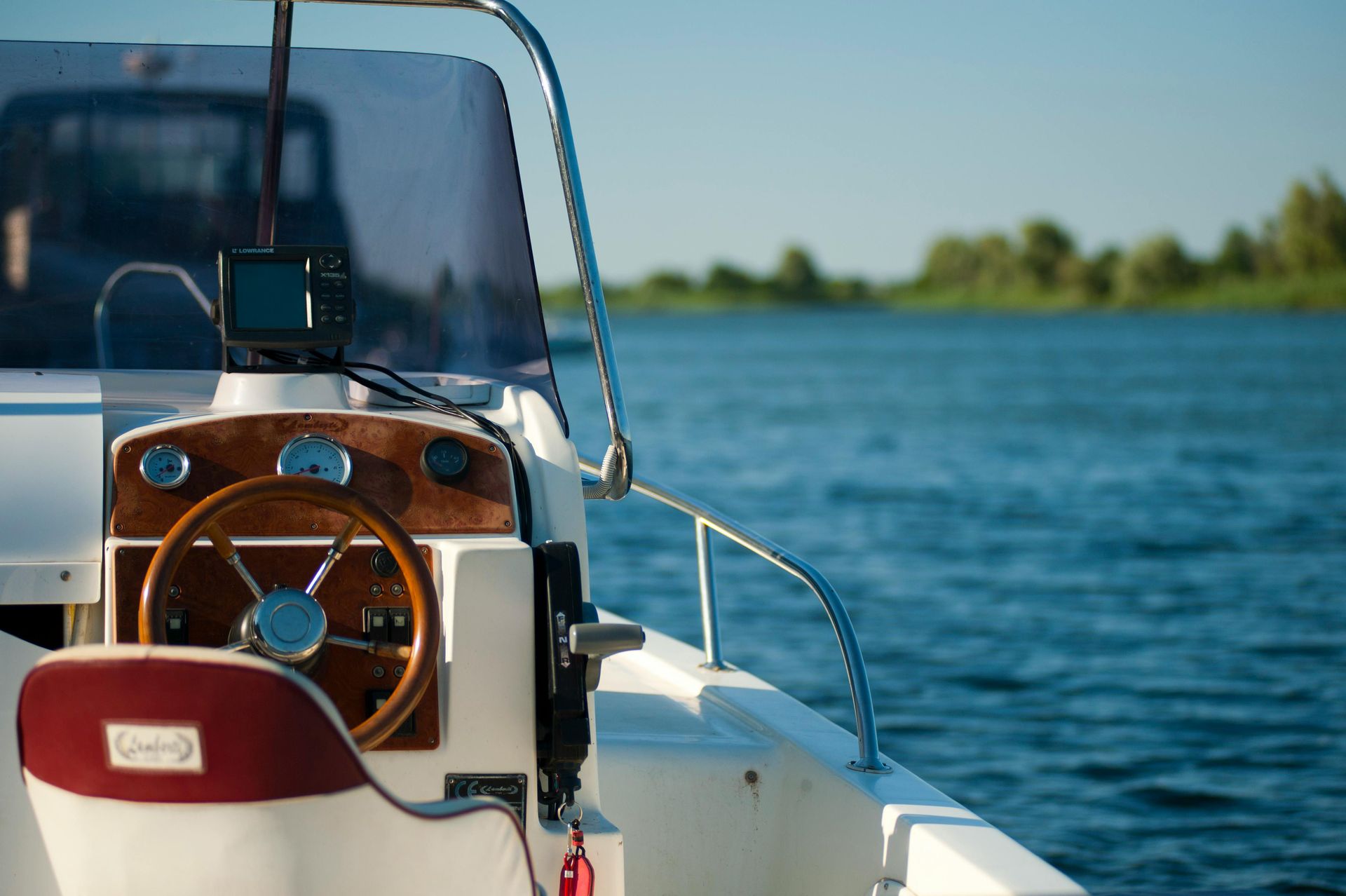
Living in Central Texas isn't just about the great communities and proximity to Austin and San Antonio. For many of us, it's about the weekends. It’s about getting out and enjoying the incredible landscape that surrounds us.
It's about launching the boat at Canyon Lake, taking a scenic motorcycle ride through the twists and turns of the Hill Country, or parking the RV for a long weekend getaway.
Your "toys" are your ticket to freedom, but they also represent a significant investment and a major liability. A common and costly mistake is assuming your auto or home insurance policy automatically covers them.
It doesn't.
At San Marcos Insurance Agency, we help our clients protect their fun. Here’s what you need to know about insuring your recreational vehicles.
1. Boats on Canyon Lake & The Guadalupe
Here’s the hard truth: Your homeowners insurance provides little to no meaningful coverage for your boat. It might cover a small canoe or kayak for liability on your property, but the moment you put a motor on it or take it to a lake, you're exposed.
A dedicated boat policy is essential and covers:
• Physical Damage: Protects the boat, motor, and trailer from theft, fire, or damage, whether it's on the water or in your driveway.
• Liability: This is critical. It covers you if you cause an accident that injures another boater or damages their property (docks, other boats).
• On-Water Towing: If you're stranded in the middle of Canyon Lake with a dead engine, this coverage is a lifesaver, paying for the tow back to the marina.
• Wreckage Removal: If your boat sinks, you are legally responsible for the cost of removing it. This coverage handles that expense.
2. Motorcycle Rides in the Hill Country
A motorcycle isn't just a smaller car; it carries entirely different risks. The winding roads around Wimberley and Dripping Springs are beautiful but demand respect. Standard auto insurance isn't enough.
A motorcycle policy needs to include:
• Guest Passenger Liability: Does your policy cover a passenger riding with you? Many don't unless you specifically add it.
• Custom Parts & Equipment (CPE): You've spent money on custom pipes, a new seat, and chrome. Your basic policy won't cover those upgrades unless you add CPE coverage.
• Higher Medical Payments: With a higher risk of injury, increasing your own medical payments coverage is a smart move.
3. RVs & Travel Trailers: A Vehicle or a Home?
The answer is: it's both. And it needs to be insured that way. Your auto policy only provides basic liability when the trailer is hitched to your truck, and your home policy doesn't cover it at all.
You need a dedicated RV or travel trailer policy, which combines the best of auto and home insurance:
• Total Loss Replacement: If your new RV is totaled, this can help you get a brand new, comparable model, not just the depreciated cash value.
• Vacation Liability: Covers you for injuries or property damage that happen at your campsite—for instance, if a guest trips over your awning.
• Personal Effects: Covers all the stuff you keep inside your camper (grills, TVs, clothes, camping gear) that aren't part of the vehicle itself.
• Full-Timer's Liability: If you live in your RV for months at a time, this provides broader liability protection that acts more like a homeowners policy.
4. The Bundle is Your Best Friend
Here's the good news. Insuring your "toys" doesn't have to be complicated or expensive. Most carriers we work with offer significant discounts for "bundling."
When you insure your boat, motorcycle, or RV with the same company that writes your home and auto policies, you not only simplify your life with one agent and one bill, but you can also unlock multi-policy discounts that save you serious money.
Get Your Fun Covered
Before you hook up the trailer or roll out the bike for your next adventure, let's talk. A quick 15-minute call with us can ensure your weekend fun is properly protected.
Contact San Marcos Insurance Agency today for a free, no-obligation quote on your recreational vehicles.

Things like monitored home security systems and anti-theft devices on your car could get your a discount on your insurance.

Lots of contractors advertise that they can get your homeowners insurance deductible waived. But can they?

Fake auto policies can leave Texas drivers uninsured. Learn the warning signs, how to verify coverage, and what to do if you suspect a scam.
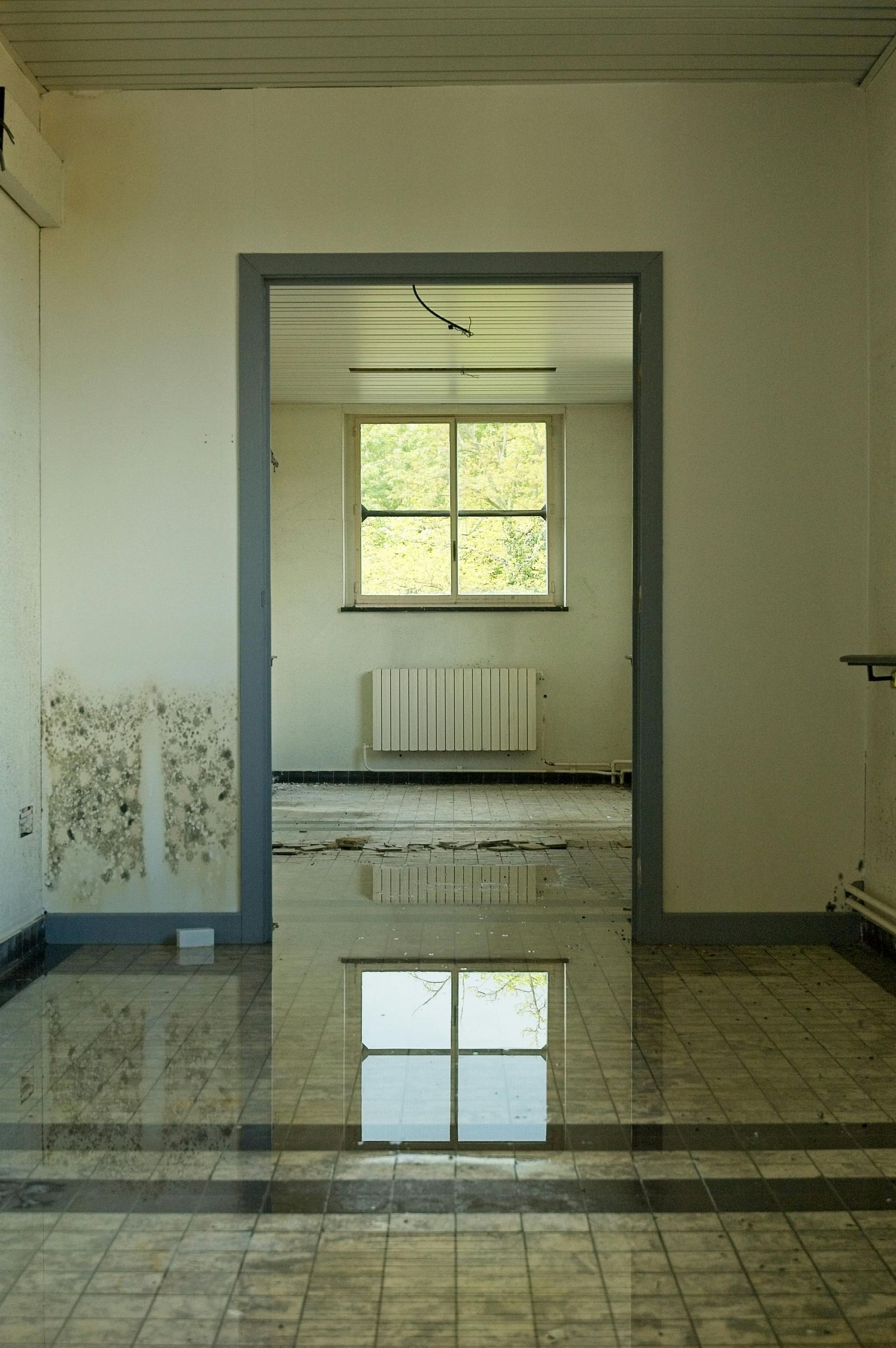
Renters insurance is often something people buy once, file away, and stop thinking about altogether. And for many renters, that makes sense. It is usually affordable, landlords often require it, and the basic idea seems simple: if anything happens to your belongings, insurance helps pay to replace them. But there is one major exception you should know about before the next heavy storm. Renters Insurance Usually Does Not Cover Flood Damage Most renters insurance policies do not cover flood damage. That can be a surprise, especially because renters insurance may cover other kinds of water damage, such as damage from a burst pipe or certain sudden plumbing problems. The Texas Department of Insurance says renters policies commonly cover losses from fire, smoke, theft, vandalism, and certain types of water damage, but not those caused by floods . If water enters your home from the outside, because of rising water, overflowing rivers or creeks, flash flooding, or storm runoff, a regular renters policy usually will not pay to replace any of your stuff. Why This Matters in San Marcos Flooding is not an abstract risk in San Marcos. The city itself identifies the San Marcos River, the Blanco River, and Purgatory Creek as the city’s three primary sources of flooding, warning that it can happen in these areas with little to no warning. That means renters may not have much time to react once heavy rain starts, a creek rises, or a flash flood warning is issued. Floodwater can affect streets, apartments, homes, parking lots, and your belongings pretty quickly. Your Landlord’s Insurance Is Not There to Protect Your Stuff Some renters assume the landlord’s insurance will step in at claim time, but in most cases, that's not how it works. A landlord’s policy is generally there to protect the building, not the tenant’s personal belongings. TDI explains that a landlord’s insurance will not cover a renter’s personal items , which is why renters insurance exists in the first place. So if floodwater damages the apartment structure, flooring, walls, or major building systems, that may be the property owner’s issue. But the renter’s couch, bed, laptop, TV, clothes, books, and other belongings are usually the renter’s responsibility. Do Not Wait Until a Storm Is Coming Timing matters, because a flood insurance policy usually cannot be started immediately. Most flood policies have a 30-day waiting period before coverage takes effect. That means renters generally cannot wait until a storm is on the radar, a creek is rising, or a flash flood warning is issued and expect to buy coverage in time. For renters in San Marcos and across Central Texas, this is worth reviewing before storm season, before moving into a new apartment, or before renewing a lease. It is especially important for renters living near creeks, rivers, low-water crossings, ground-floor units, older drainage areas, or parts of town that have flooded before. Know What Your Policy Does and Does Not Cover A basic renters policy is valuable, protecting your stuff against theft, fire, smoke, vandalism, and the like. But flood is a different story entirely. So if you rent in San Marcos or anywhere in Central Texas, take a few minutes to review your renters policy with your agent and ask some direct questions, like: Does this cover flood damage? What kinds of water damage are included? Is separate flood coverage available? Those are better questions to ask before the storm hits, rather than after your furniture is sitting on the curb.

Texas insurers must now explain policy denials, cancellations, and non-renewals. Learn how HB 2067 gives consumers clearer answers and more leverage.
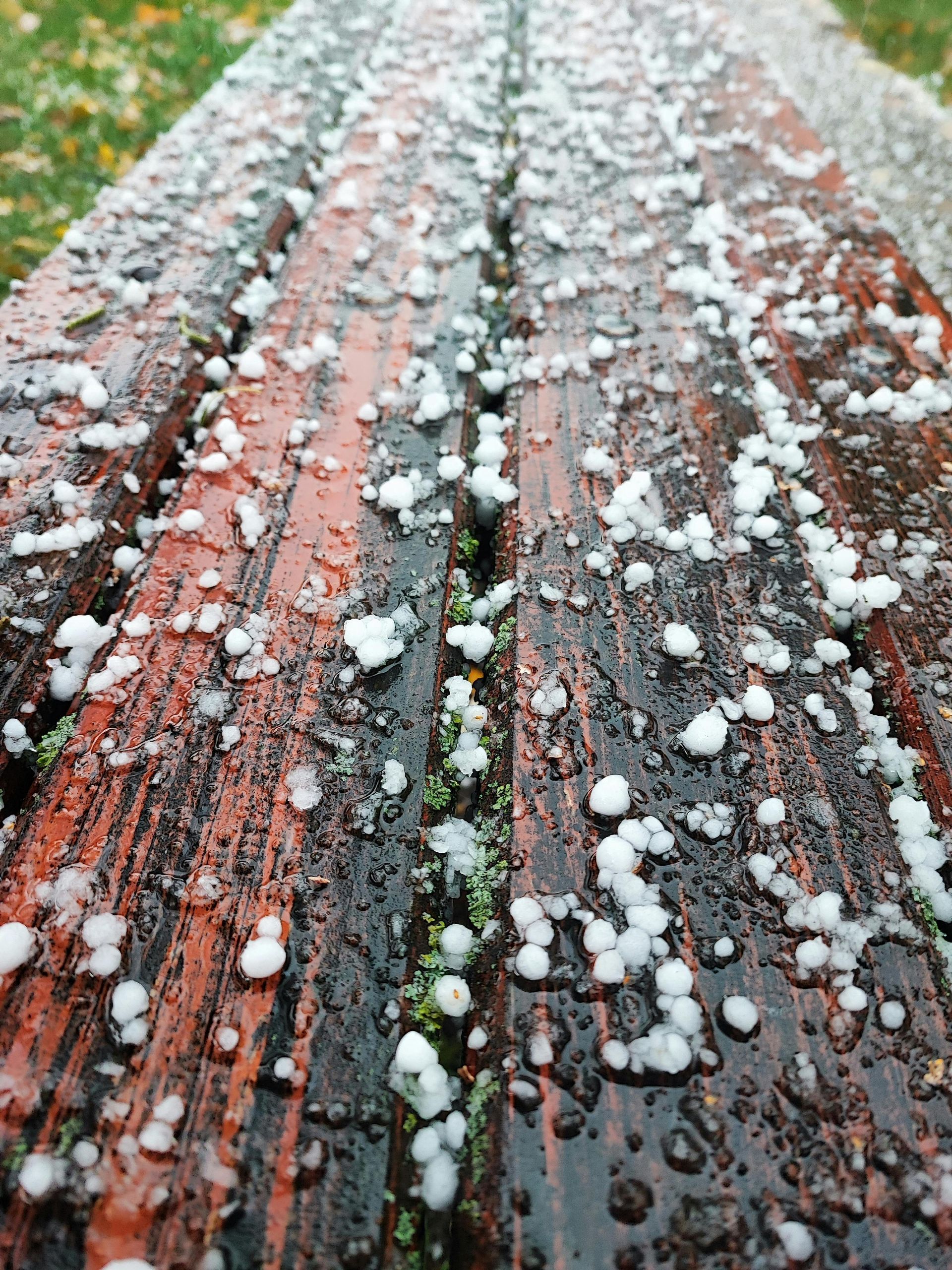
Texas hailstorms are driving higher premiums, stricter rules, and harder roof claims. Here’s what’s changing and why it matters for homeowners.

Clients asking for a Certificate of Insurance? Learn what COIs are, why they’re required, and how having the right coverage helps your business win contracts and projects.
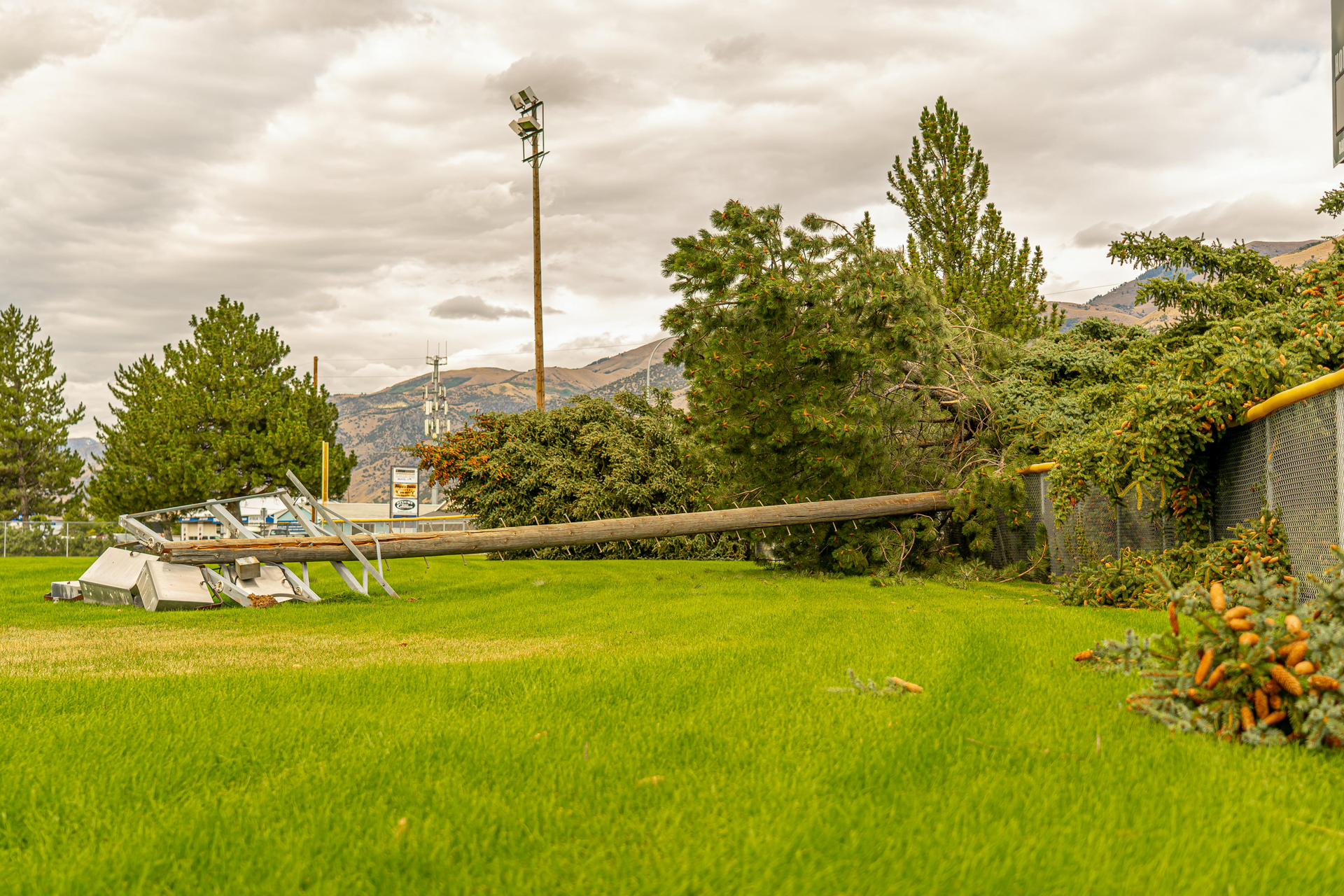
If your neighbor’s tree falls on your home, who pays? Learn how tree damage claims work, when neighbors may be liable, and what your insurance typically covers.

An annual insurance review keeps your coverage aligned with life changes, home values, and risks. See what happens during a review and why it matters more than you think.
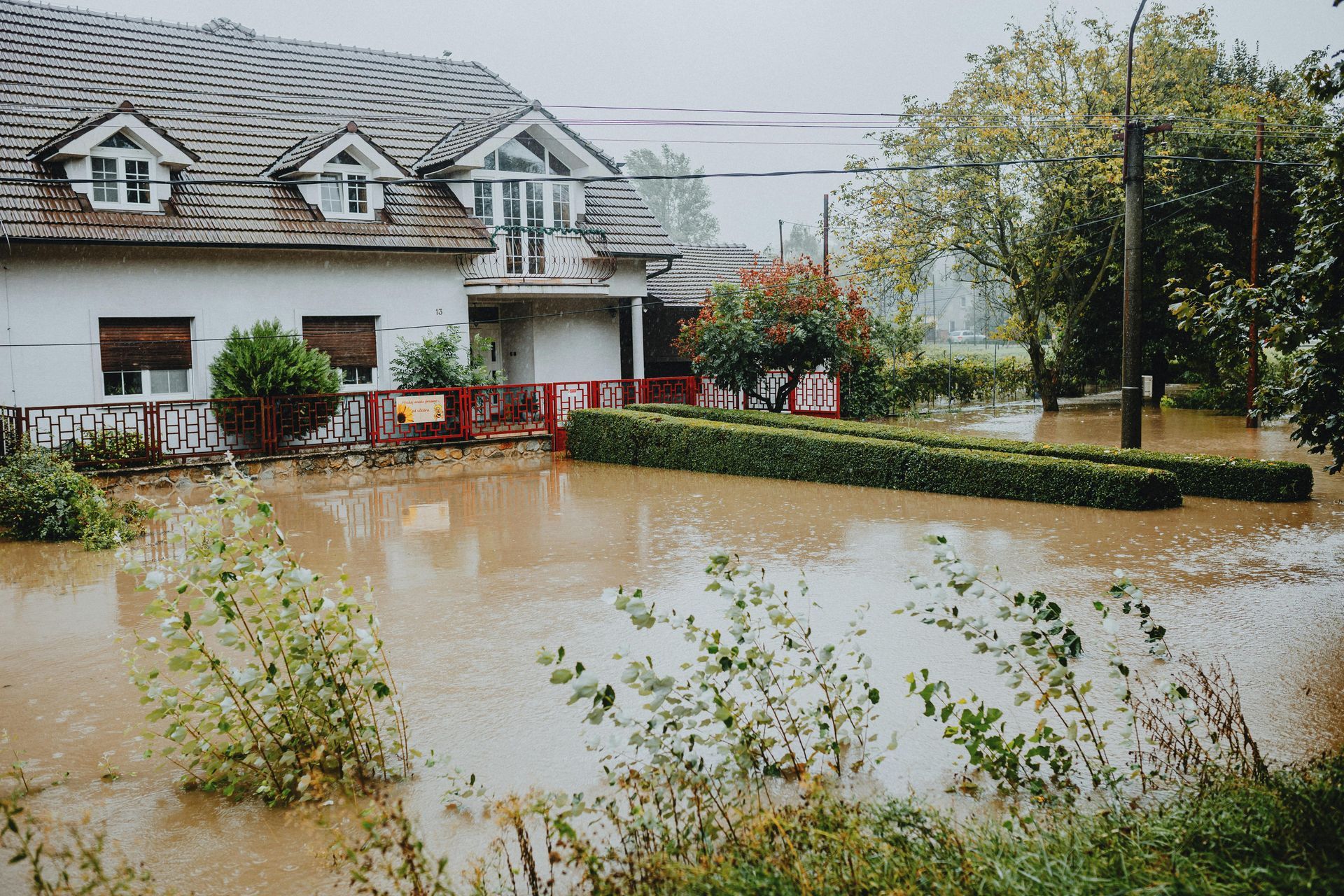
Flash flooding in San Marcos can impact homes far outside mapped flood zones. Learn why flood maps fall short and how to better protect your property.
