Business Insurance Basics

January 15, 2025

Business Insurance 101: Essential Coverage to Secure Your Future

Starting and running a small business is an exciting and challenging endeavor. While you're focused on building your brand, serving customers, and growing your revenue, it's crucial not to overlook the importance of business insurance. The right coverage can protect your business from financial ruin in the face of unforeseen events. 


Essential Coverage Types for Small Businesses 


General Liability Insurance: 

  • What it Covers: Protects your business from claims of bodily injury, property damage, and personal injury (e.g., libel or slander) that may arise from your business operations. 
  • Why it's Important: Accidents can happen, even with the best precautions. General liability insurance helps cover legal fees, medical expenses, and settlement costs if your business is found liable. 


Commercial Property Insurance: 

  • What it Covers: Protects your business's physical assets, such as your building, equipment, inventory, and furniture, from damage or loss due to fire, theft, vandalism, or natural disasters. 
  • Why it's Important: If your business property is damaged or destroyed, this coverage helps you repair or replace it, minimizing downtime and financial losses.


Business Owners Policy (BOP): 

  • What it Covers: Combines general liability and commercial property insurance into a single, convenient package. 
  • Why it's Important: BOPs are often more affordable than purchasing separate policies and provide essential coverage for many small businesses. 


Workers' Compensation Insurance: 

  • What it Covers: Provides benefits to employees who are injured or become ill due to work-related causes. These benefits can include medical expenses, lost wages, and rehabilitation costs. 
  • Why it's Important: Most states require businesses with employees to carry workers' compensation insurance. It protects both your employees and your business from the financial burden of workplace accidents. 


Professional Liability Insurance (Errors and Omissions): 

  • What it Covers: Protects your business from claims of negligence, errors, or omissions in the professional services you provide. 
  • Why it's Important: If a client alleges that your advice or services caused them financial harm, this coverage can help cover legal fees and settlement costs. 


Commercial Auto Insurance: 

  • What it Covers: Protects vehicles used for business purposes. Coverage can include liability, collision, comprehensive, and uninsured/underinsured motorist protection. 
  • Why it's Important: If you or your employees use vehicles for work, even personal vehicles, commercial auto insurance is essential to protect your business from liability in case of an accident. 


Cyber Liability Insurance: 

  • What it Covers: Protects your business from the financial consequences of data breaches, cyberattacks, and other cyber-related incidents. 
  • Why it's Important: In today's digital world, businesses of all sizes are vulnerable to cyber threats. This coverage can help cover costs associated with data recovery, customer notification, legal fees, and regulatory fines. 


Choosing the Right Coverage 

The specific types and amounts of coverage your business needs depend on various factors, including your industry, size, location, and risk exposure. It's crucial to work with an experienced insurance agent who can assess your unique needs and help you tailor a comprehensive insurance plan. 


San Marcos Insurance Agency specializes in helping small businesses find the right insurance solutions. Contact us today to discuss your business insurance needs and get a personalized quote.



Two people working on a laptop and smartphone at a table indoors, looking focused.
July 31, 2026
Fake auto policies can leave Texas drivers uninsured. Learn the warning signs, how to verify coverage, and what to do if you suspect a scam.
June 30, 2026
Renters insurance is often something people buy once, file away, and stop thinking about altogether. And for many renters, that makes sense. It is usually affordable, landlords often require it, and the basic idea seems simple: if anything happens to your belongings, insurance helps pay to replace them. But there is one major exception you should know about before the next heavy storm. Renters Insurance Usually Does Not Cover Flood Damage Most renters insurance policies do not cover flood damage. That can be a surprise, especially because renters insurance may cover other kinds of water damage, such as damage from a burst pipe or certain sudden plumbing problems. The Texas Department of Insurance says renters policies commonly cover losses from fire, smoke, theft, vandalism, and certain types of water damage, but not those caused by floods . If water enters your home from the outside, because of rising water, overflowing rivers or creeks, flash flooding, or storm runoff, a regular renters policy usually will not pay to replace any of your stuff. Why This Matters in San Marcos Flooding is not an abstract risk in San Marcos. The city itself identifies the San Marcos River, the Blanco River, and Purgatory Creek as the city’s three primary sources of flooding, warning that it can happen in these areas with little to no warning. That means renters may not have much time to react once heavy rain starts, a creek rises, or a flash flood warning is issued. Floodwater can affect streets, apartments, homes, parking lots, and your belongings pretty quickly. Your Landlord’s Insurance Is Not There to Protect Your Stuff Some renters assume the landlord’s insurance will step in at claim time, but in most cases, that's not how it works. A landlord’s policy is generally there to protect the building, not the tenant’s personal belongings. TDI explains that a landlord’s insurance will not cover a renter’s personal items , which is why renters insurance exists in the first place. So if floodwater damages the apartment structure, flooring, walls, or major building systems, that may be the property owner’s issue. But the renter’s couch, bed, laptop, TV, clothes, books, and other belongings are usually the renter’s responsibility. Do Not Wait Until a Storm Is Coming Timing matters, because a flood insurance policy usually cannot be started immediately. Most flood policies have a 30-day waiting period before coverage takes effect. That means renters generally cannot wait until a storm is on the radar, a creek is rising, or a flash flood warning is issued and expect to buy coverage in time. For renters in San Marcos and across Central Texas, this is worth reviewing before storm season, before moving into a new apartment, or before renewing a lease. It is especially important for renters living near creeks, rivers, low-water crossings, ground-floor units, older drainage areas, or parts of town that have flooded before. Know What Your Policy Does and Does Not Cover A basic renters policy is valuable, protecting your stuff against theft, fire, smoke, vandalism, and the like. But flood is a different story entirely. So if you rent in San Marcos or anywhere in Central Texas, take a few minutes to review your renters policy with your agent and ask some direct questions, like: Does this cover flood damage? What kinds of water damage are included? Is separate flood coverage available? Those are better questions to ask before the storm hits, rather than after your furniture is sitting on the curb.
Person reviewing a clipboard beside a laptop, holding a pen over paperwork.
May 26, 2026
Texas insurers must now explain policy denials, cancellations, and non-renewals. Learn how HB 2067 gives consumers clearer answers and more leverage.
Small white hail pellets scattered across the damp, brown wooden slats of a park bench.
March 25, 2026
Texas hailstorms are driving higher premiums, stricter rules, and harder roof claims. Here’s what’s changing and why it matters for homeowners.
Woman in blazer pointing at document, man leans in. They are at a desk with a laptop and glass.
March 18, 2026
Clients asking for a Certificate of Insurance? Learn what COIs are, why they’re required, and how having the right coverage helps your business win contracts and projects.
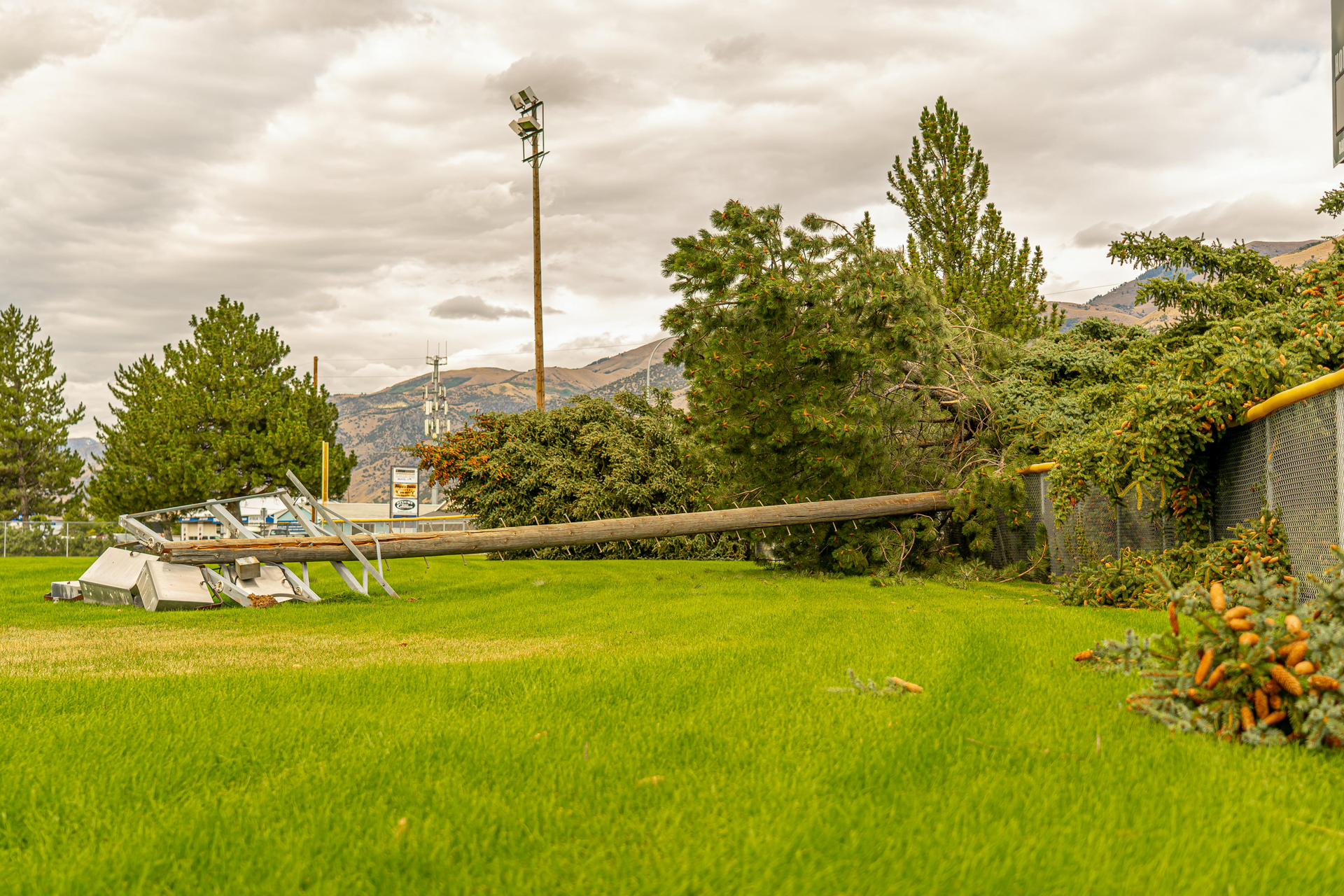
Fallen tree on a baseball field, next to a chain-link fence, under a cloudy sky.
March 11, 2026
If your neighbor’s tree falls on your home, who pays? Learn how tree damage claims work, when neighbors may be liable, and what your insurance typically covers.
Two people reviewing document, one person pointing pen, the other with long black hair, white background.
March 4, 2026
An annual insurance review keeps your coverage aligned with life changes, home values, and risks. See what happens during a review and why it matters more than you think.
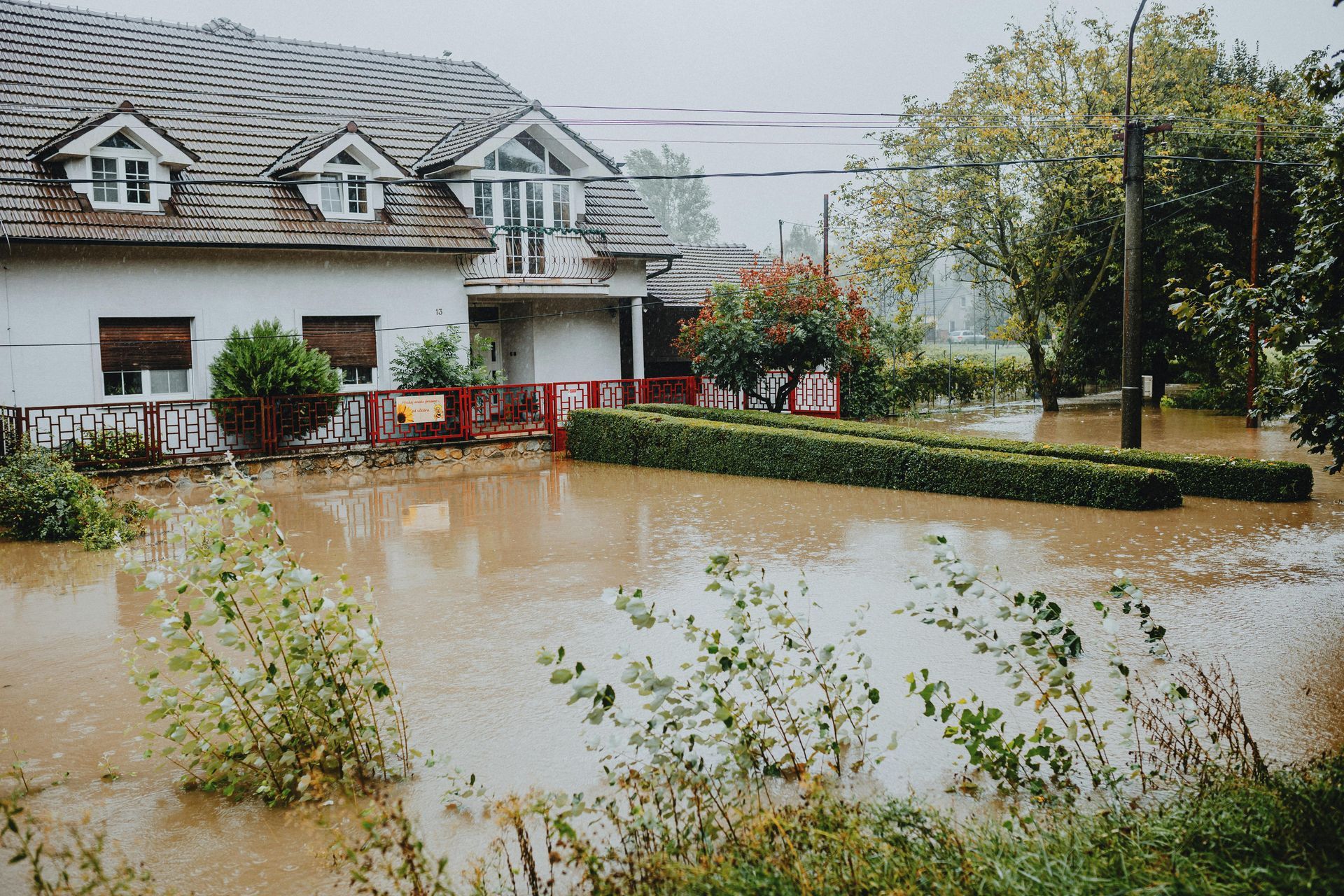
Flooded house. Water surrounds a two-story home with a white exterior and a tiled roof, under a cloudy sky.
February 25, 2026
Flash flooding in San Marcos can impact homes far outside mapped flood zones. Learn why flood maps fall short and how to better protect your property.
Field of blue wildflowers with trees under a clear blue sky.
February 25, 2026
Here is your Spring Storm Survival Guide to ensure your coverage and your property are ready for whatever the Texas sky throws our way.
Wooden fence with rusty star decoration, leading to a dirt path in a green field.
February 20, 2026
Protecting Your Home, Your Business, and Your San Marcos Lifestyle.